Crawl Space Water Damage in Auburn, WA
Most West Hill and Lea Hill homes sit on a vented crawl space, and water under the house rarely shows until the floor feels soft. The crew pumps it out and dries the joists from below.
(888) 509-1696Get the Auburn crawl space pumped out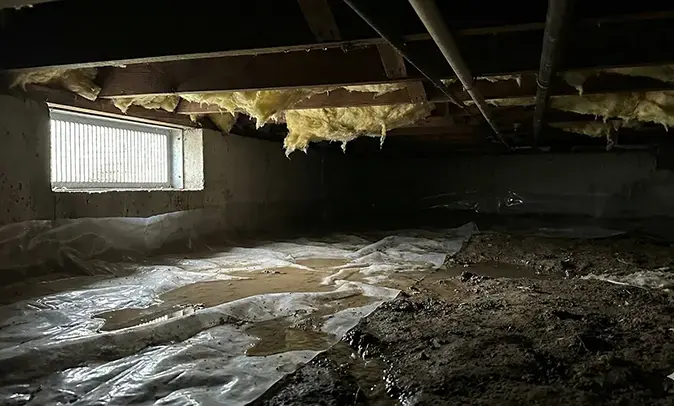
First steps for crawl space water damage in Auburn
- 1
Do not crawl in
Standing water under a house can be energized by wiring or a submerged pump.
- 2
Shut off the source
If a pipe is leaking, close the main shutoff.
- 3
Turn off the furnace fan
Ducts in a wet crawl space pull damp air through the house.
- 4
Photograph from the hatch
Record the water level, then call for pump-out.
When you call, have this ready
- Which rooms and which level of the house are wet
- Whether the water is clean, gray or sewage
- When it started and whether the source is stopped
The standard behind crawl space water damage in Auburn
Rapid local response
Auburn water damage restoration experts work around the clock, and the response team rolls with truck-mounted extraction, air movers and moisture meters already on board.
IICRC S500 drying standard
IICRC S500 is the industry drying standard. The drying team runs structural drying, not just surface drying, and the equipment stays until the readings say dry.
Claim-ready documentation
A moisture map from the first walkthrough, daily psychrometric logs and timestamped photos taken before any demolition: the file an adjuster works from.
Green River valley water experts
Crawl spaces on the valley floor, daylight basements on West Hill and Lea Hill, and long wet-season rains: the Auburn restoration crew knows where water settles in a Puget Sound house.
What does crawl space water damage cost in Auburn, WA?
In Auburn, WA, crawl space water damage cleanup typically runs $1,500 to $8,000 or more. The drivers are the water depth, the water category, how much insulation and vapor barrier must come out, the crawl space size and how long the water sat.
Shallow water, clean source
- Pump-out
- Joist and subfloor drying
- Readings until dry
Wet insulation and barrier
- Insulation removed
- Vapor barrier replaced
- Dehumidifier drying
Groundwater or sewage
- Category 3 protocol
- Antimicrobial treatment
- Extended drying and logs
These are typical ranges, not a quote. For a closer planning number try the water damage cost calculator.
How crawl space water damage moves from call to dry
Walkthrough and moisture map
The tech who does the walkthrough finds the source and maps every wet wall, floor and cavity before any equipment goes down.
Extraction
The extraction crew pulls standing water so it leaves the building instead of moving to the next room.
Drying setup
Air movers go in at the evaporation load of each room, with dehumidifiers pulling that moisture back out of the air.
Daily readings
The drying team logs temperature, humidity and material readings daily and moves equipment to where the water still is.
Dry verification
Equipment comes out when wet materials read within 2 to 4 points of a dry reference, and the logs go into the claim file.
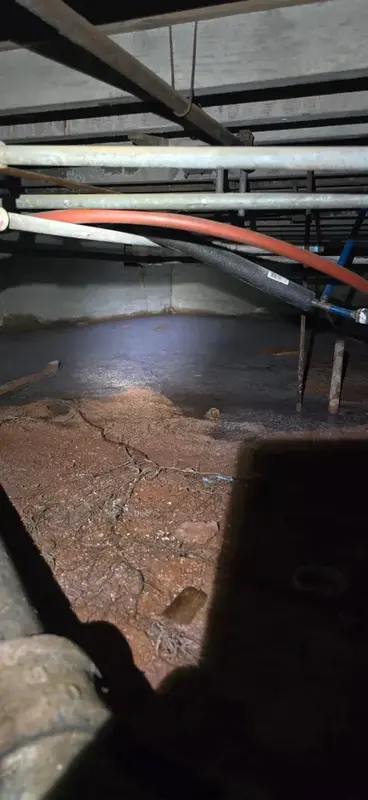
A crawl space is the lowest point of most Auburn houses, which makes it where water ends up. Groundwater rising through the soil in a long rain, a supply line leaking under the kitchen, or a split pipe after a cold snap can all fill it without anyone noticing upstairs. The first signs are usually a musty smell, a cupping floor or a heating bill that climbs as damp air rises into the house.
Common crawl space water sources in Auburn
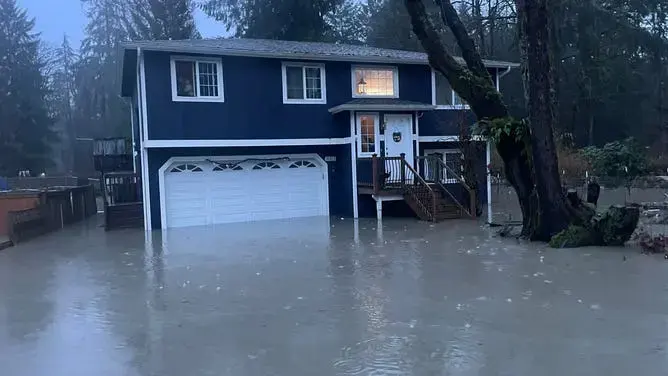
- High groundwater on the valley floor during the October to March wet season.
- Downspouts and grading that send roof water toward the foundation.
- Supply and drain lines that leak slowly under kitchens and bathrooms.
- Pipes that freeze in a vented crawl space during an Arctic cold snap.
How crawl space water is handled
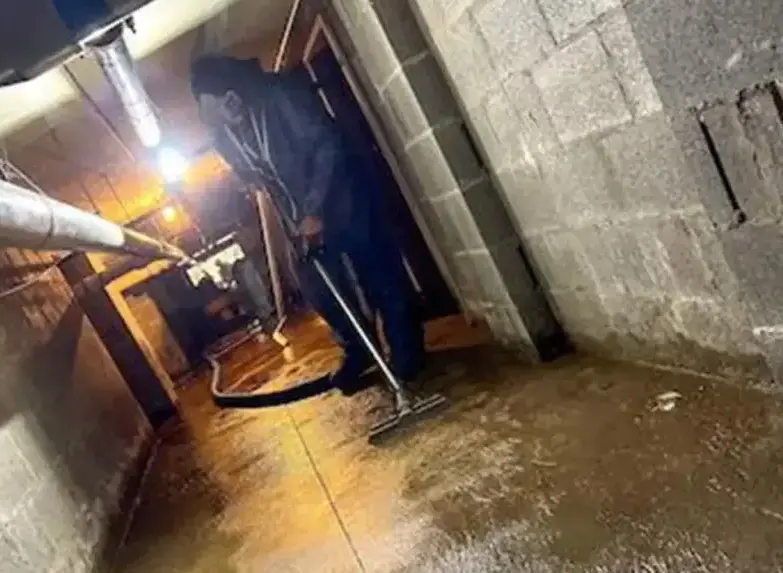
- Submersible pumps pull the standing water before anyone crawls in.
- Wet fiberglass insulation between the joists comes down, because it holds water against the wood and rarely dries well.
- The torn or flooded vapor barrier on the soil gets pulled and replaced after drying.
- Air movers and a dehumidifier sized for the space dry the joists, beams and subfloor, with readings taken at each visit.
Wood moisture is the target. The drying team measures the joists and subfloor with a pin meter and compares against dry framing elsewhere in the house. Equipment comes out when the wet wood matches, not when the dirt looks dry.
Clean water or contaminated water?
A supply line leak is clean water at the start. Groundwater, storm runoff and any drain or sewer leak are treated as Category 3, so exposed soil and wood get an EPA-registered antimicrobial and porous materials come out. When sewage is involved, containment and protective gear apply, as described on the sewage backup cleanup page.
Keeping it dry afterward
Once the structure is dry, the fix is usually outside: downspout extensions, grading away from the foundation, a sump or a better vapor barrier. EPA indoor air quality information explains how crawl space moisture reaches the living space, and Ready.gov covers wet-season flood preparation. For groundwater that keeps coming back, see sump pump failure cleanup.
Crawl Space Water Damage across Auburn and nearby cities
The Auburn restoration crew works every part of the city across ZIPs 98001, 98002, 98071, 98092, from Downtown Auburn, Terminal Park, Lea Hill, West Hill, North Auburn, South Auburn out to Pacific, Algona, Kent, Federal Way, Covington and Sumner.
See every area and ZIP coveredRelated water damage services in Auburn
Crawl Space Water Damage questions in Auburn
How do I know there is water in my crawl space?
A musty smell, higher humidity inside, cupping wood floors, a soft spot or a jump in heating costs are common clues. A look through the access hatch with a flashlight after a heavy rain is the quickest check.
Does wet crawl space insulation have to come out?
Usually. Fiberglass batts that got soaked sag, hold water against the joists and lose most of their value. They come down so the wood can dry, then new insulation goes in after the drying goal is met.
Is groundwater in a crawl space an emergency?
Standing water under the house keeps raising humidity and wetting the framing, and mold can start on wet wood within 24 to 48 hours. Pumping it out and drying promptly limits the damage.
Why does my crawl space flood every winter?
On the Auburn valley floor the water table rises through the wet season, and roof water from downspouts often ends up at the foundation. Grading, downspout extensions or a sump usually address the cause.
How long does crawl space drying take?
Most crawl spaces dry in three to six days after pump-out and insulation removal, longer when the soil stays saturated. The drying team checks wood moisture until it matches dry framing.
Will insurance cover crawl space water?
A sudden pipe break under the house is often treated differently from groundwater seepage, which many policies exclude. Coverage depends on your policy, so it is worth checking with your own insurer.
Crawl Space Water Damage in Auburn? Start the dry-out now.
Shut off the water if you can, keep clear of wet outlets, and call. The drying team maps the moisture and gets extraction started.