Flood and Storm Water Cleanup in Auburn, WA
Water that rises from outside carries soil, fuel and sewage, so it is Category 3 from the start. The mitigation team pumps it out, removes what it soaked and dries the structure.
(888) 509-1696Start the Auburn flood cleanup now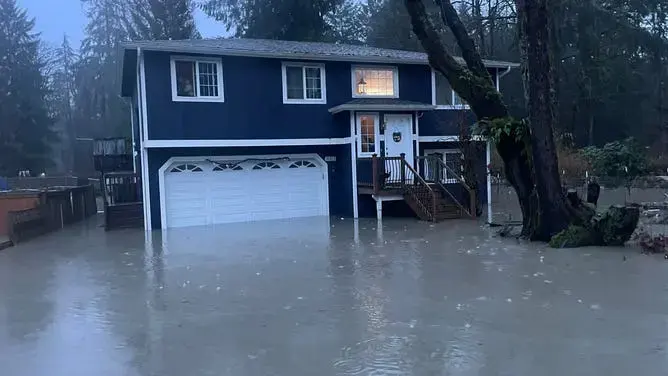
First steps for flood and storm water cleanup in Auburn
- 1
Stay out of the water
Floodwater can hide live current and debris; keep clear until power is off.
- 2
Shut off power
Only from a dry panel; otherwise let the utility cut it.
- 3
Mark the water line
Photograph the height on walls before anything is removed.
- 4
Call for pump-out
Deep water comes out first, then the removal and drying plan starts.
When you call, have this ready
- Which rooms and which level of the house are wet
- Whether the water is clean, gray or sewage
- When it started and whether the source is stopped
The standard behind flood and storm water cleanup in Auburn
Rapid local response
Auburn water damage restoration experts work around the clock, and the response team rolls with truck-mounted extraction, air movers and moisture meters already on board.
IICRC S500 drying standard
IICRC S500 is the industry drying standard. The drying team runs structural drying, not just surface drying, and the equipment stays until the readings say dry.
Claim-ready documentation
A moisture map from the first walkthrough, daily psychrometric logs and timestamped photos taken before any demolition: the file an adjuster works from.
Green River valley water experts
Crawl spaces on the valley floor, daylight basements on West Hill and Lea Hill, and long wet-season rains: the Auburn restoration crew knows where water settles in a Puget Sound house.
What does flood and storm water cleanup cost in Auburn, WA?
In Auburn, WA, flood and storm water cleanup typically runs $3,000 to $15,000 or more. The drivers are the water depth, how many rooms it reached, how much drywall, insulation and flooring must come out as Category 3 material, and how fast drying started.
Crawl space or one low room
- Pump-out and extraction
- Wet insulation and debris removed
- Antimicrobial and drying
Lower level of a home
- Flood cuts on drywall
- Flooring and pad removed
- Containment and HEPA air scrubbers
Whole floor or deep water
- Extensive removal
- Extended structural drying
- Full claim documentation
These are typical ranges, not a quote. For a closer planning number try the water damage cost calculator.
How flood and storm water cleanup moves from call to dry
Walkthrough and moisture map
The tech who does the walkthrough finds the source and maps every wet wall, floor and cavity before any equipment goes down.
Extraction
The extraction crew pulls standing water so it leaves the building instead of moving to the next room.
Drying setup
Air movers go in at the evaporation load of each room, with dehumidifiers pulling that moisture back out of the air.
Daily readings
The drying team logs temperature, humidity and material readings daily and moves equipment to where the water still is.
Dry verification
Equipment comes out when wet materials read within 2 to 4 points of a dry reference, and the logs go into the claim file.
Auburn sits on the floor of the Green River valley, with Mill Creek running through the flat ground and the White River and Stuck River to the south. When an atmospheric river stalls over the Cascades, the ground saturates, storm drains back up and low streets take water. Floodwater that comes in from outside is treated as Category 3 the moment it enters, because it carries soil, road runoff and often sewage.
How outside water gets into Auburn homes
- Surface runoff from saturated yards and streets on the valley floor.
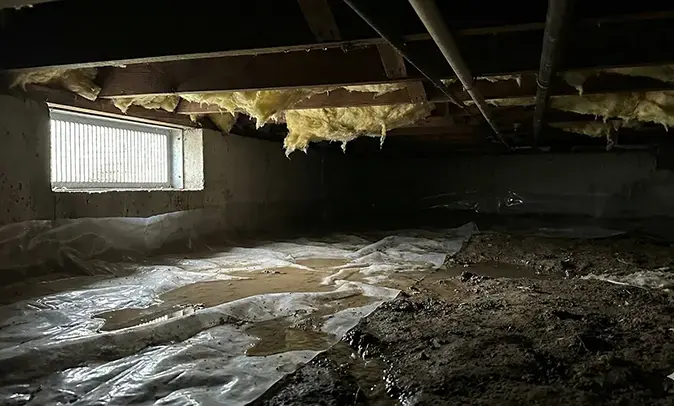
- Groundwater rising through crawl space soil and basement slabs.
- Storm drains and ditches overwhelmed during long rains.
- Hillside runoff on West Hill and Lea Hill finding the lowest wall of a daylight basement.
What flood cleanup involves
The response team starts with safety: power off to wet areas, then pumps for deep water. Because the water is contaminated, the approach differs from a clean supply-line loss.
- Drywall and insulation touched by floodwater get cut out above the water line, usually with a flood cut.
- Carpet, pad and other porous materials that the water reached are removed, not dried.
- Hard surfaces get cleaned and treated with an EPA-registered antimicrobial at its labeled dwell time.
- Air movers and LGR dehumidifiers then dry the framing, subfloor and slab to the drying goal.
Flood coverage is its own policy. Standard homeowners policies usually exclude rising surface water, which falls under flood insurance. That is worth checking with your own insurer before the claim is filed.
The Green River and Howard Hanson Dam
Howard Hanson Dam upstream regulates the Green River, which is why most storms stay in the channel. After the January 2009 storm damaged the dam abutment, Auburn and Kent spent two winters preparing for valley flooding, and the event is still a reminder of how much of the city sits on the flood plain. Local flood warnings come from the National Weather Service Seattle office, and FloodSmart.gov explains how flood insurance works.
Documentation for a flood claim
The claim file carries the water line height, timestamped photos before any removal, the moisture map, a list of removed materials and daily drying logs. When the water came up through the floor instead of from outside, see crawl space water damage and sump pump failure cleanup.
Flood and Storm Water Cleanup across Auburn and nearby cities
The Auburn restoration crew works every part of the city across ZIPs 98001, 98002, 98071, 98092, from Downtown Auburn, Terminal Park, Lea Hill, West Hill, North Auburn, South Auburn out to Pacific, Algona, Kent, Federal Way, Covington and Sumner.
See every area and ZIP coveredRelated water damage services in Auburn


Flood and Storm Water Cleanup questions in Auburn
Why is floodwater treated differently from a pipe leak?
Water that comes in from outside picks up soil, fuel, fertilizer and often sewage. It is Category 3, so porous materials it touched are removed rather than dried, and surfaces are treated before drying.
Does homeowners insurance cover flooding?
Usually not for rising surface water, which falls under flood insurance. Sewer backup and sudden pipe failures are handled differently. Coverage depends on your policy, so it is worth checking with your own insurer.
What is a flood cut?
A straight cut along the wall a foot or so above the water line. The wet drywall and insulation below come out, which lets the framing dry and removes contaminated material.
How long does flood drying take?
After removal, framing and subfloor usually dry in four to seven days with air movers and LGR dehumidifiers, longer in a cold, wet Auburn winter. Equipment leaves when the readings say dry.
Is the Green River the main flood risk?
Most Auburn flood calls come from saturated ground, backed-up storm drains and creeks like Mill Creek during long rains rather than the river leaving its levees. Low ground on the valley floor takes water first.
Should I wait for the water to go down before calling?
No. Scoping, photos and pump planning can start while water is still present, and drying time grows the longer materials stay wet.
Flood and Storm Water Cleanup in Auburn? Start the dry-out now.
Shut off the water if you can, keep clear of wet outlets, and call. The drying team maps the moisture and gets extraction started.