Water Extraction in Auburn, WA
Standing water keeps soaking into subfloor, drywall and framing until it leaves the building. The extraction crew pulls it out with truck-mounted extraction, then the drying team takes over.
(888) 509-1696Get Auburn water extraction started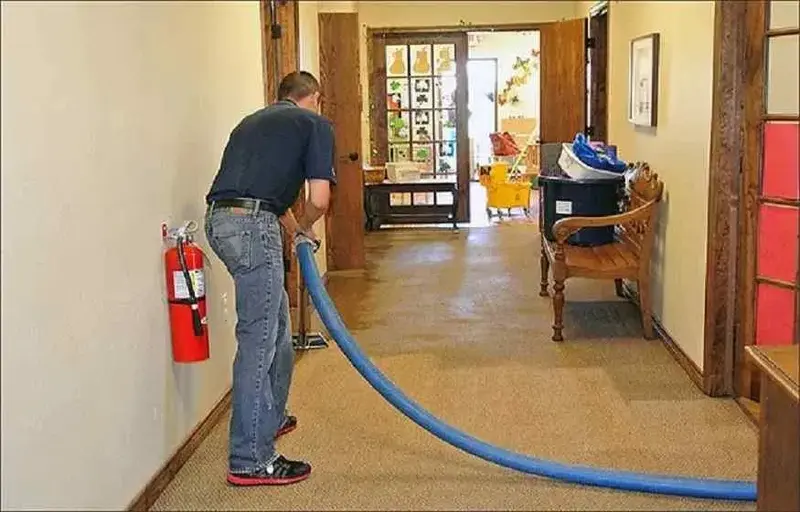
First steps for water extraction and removal in Auburn
- 1
Stop the source
Close the main shutoff or the fixture valve feeding the leak.
- 2
Cut wet circuits
If the breaker panel is dry, switch off circuits in the wet rooms.
- 3
Lift what you can
Move rugs, electronics and papers off the wet floor.
- 4
Photograph and call
Take photos of every wet room before anything is moved or removed.
When you call, have this ready
- Which rooms and which level of the house are wet
- Whether the water is clean, gray or sewage
- When it started and whether the source is stopped
The standard behind water extraction and removal in Auburn
Rapid local response
Auburn water damage restoration experts work around the clock, and the response team rolls with truck-mounted extraction, air movers and moisture meters already on board.
IICRC S500 drying standard
IICRC S500 is the industry drying standard. The drying team runs structural drying, not just surface drying, and the equipment stays until the readings say dry.
Claim-ready documentation
A moisture map from the first walkthrough, daily psychrometric logs and timestamped photos taken before any demolition: the file an adjuster works from.
Green River valley water experts
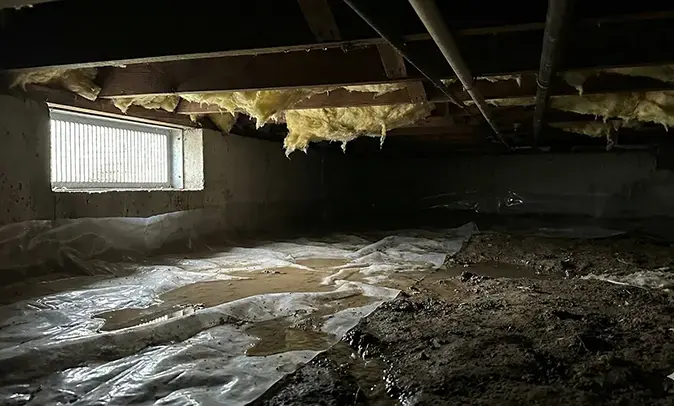
Crawl spaces on the valley floor, daylight basements on West Hill and Lea Hill, and long wet-season rains: the Auburn restoration crew knows where water settles in a Puget Sound house.
What does water extraction and removal cost in Auburn, WA?
In Auburn, WA, water extraction and the drying that follows typically run $800 to $6,000 or more. The drivers are the water category, how many square feet got wet, the material class (carpet, hardwood, drywall) and how fast extraction started.
One room, clean water
- Carpet and pad extraction
- Air movers and a dehumidifier
- Three to four days of readings
Several rooms or a lower level
- Pad and baseboard removal
- Wall cavity drying
- Daily moisture logs
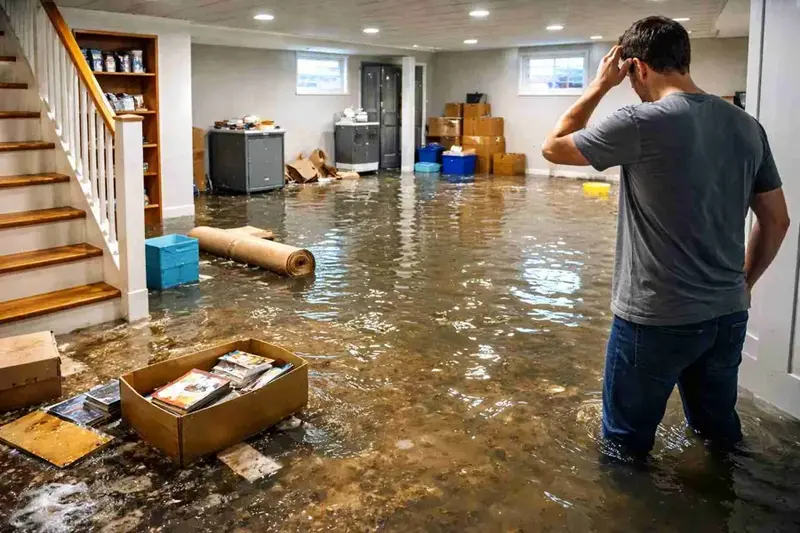
Deep water or Category 3
- Pump-out and containment
- Porous materials removed
- Full claim documentation
These are typical ranges, not a quote. For a closer planning number try the water damage cost calculator.
How water extraction and removal moves from call to dry
Walkthrough and moisture map
The tech who does the walkthrough finds the source and maps every wet wall, floor and cavity before any equipment goes down.
Extraction
The extraction crew pulls standing water so it leaves the building instead of moving to the next room.
Drying setup
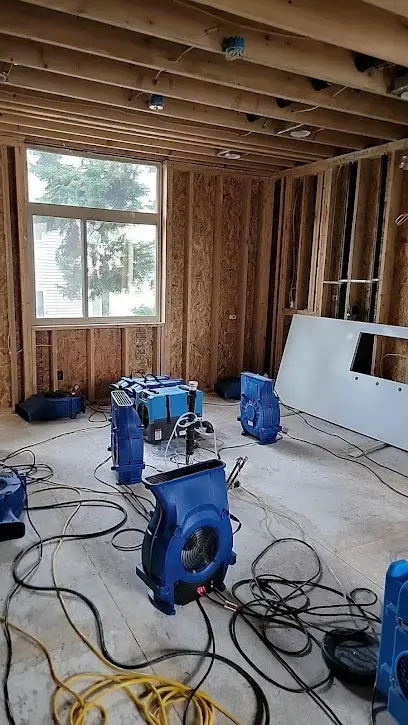
Air movers go in at the evaporation load of each room, with dehumidifiers pulling that moisture back out of the air.
Daily readings
The drying team logs temperature, humidity and material readings daily and moves equipment to where the water still is.
Dry verification
Equipment comes out when wet materials read within 2 to 4 points of a dry reference, and the logs go into the claim file.
Every hour water sits on a floor, more of it wicks into the pad, the subfloor and the bottom of the drywall. Extraction is the cheapest drying there is: a gallon pulled out with a wand is a gallon the air movers never have to evaporate. In Auburn, where a wet season can keep indoor humidity high for months, getting the bulk water out early decides how long the whole job runs.
What truck-mounted extraction does differently
A shop vacuum lifts surface water. A truck-mounted unit pulls water out of carpet and pad under strong vacuum and sends it to the truck, so the water leaves the house instead of being carried room to room in buckets.
- Weighted extraction tools press water out of carpet and pad before any decision to remove them.
- Portable extractors reach upstairs rooms, crawl space accesses and tight hallways.
- Submersible pumps handle deep water in a basement or crawl space before the wands go in.
- Hard floors get squeegeed and extracted so water does not sit in the seams.
Mapping the water before the equipment goes down
Water travels further than it looks. The tech who does the walkthrough uses thermal imaging and pinless meters to trace it under cabinets, behind baseboards and down into the crawl space or the room below. That moisture map decides where extraction focuses, which materials can be dried in place and how many air movers each room needs.
Category matters from the start. Clean supply-line water is Category 1. Water that sat for days, came through a washer drain or rose from outside is treated as Category 2 or 3, and porous materials it touched may have to come out rather than be dried.
After extraction: drying and documentation
Once the standing water is gone, air movers and LGR dehumidifiers go in, set to the evaporation load of each room. The drying team takes readings every day and keeps the equipment running until wet materials land within 2 to 4 points of a dry reference material in the same house. Timestamped photos, the moisture map and the daily logs go into the claim file. See structural drying in Auburn for how that phase works, or crawl space water damage when the water went under the house.
Safety before anyone walks in
Standing water and electricity do not mix. Ready.gov flood safety covers staying out of water near outlets and appliances, and the EPA page on mold cleanup explains why wet materials need to be dry within 24 to 48 hours.
Water Extraction and Removal across Auburn and nearby cities
The Auburn restoration crew works every part of the city across ZIPs 98001, 98002, 98071, 98092, from Downtown Auburn, Terminal Park, Lea Hill, West Hill, North Auburn, South Auburn out to Pacific, Algona, Kent, Federal Way, Covington and Sumner.
See every area and ZIP coveredRelated water damage services in Auburn
Water Extraction and Removal questions in Auburn
How fast does water need to come out?
As soon as possible. Carpet pad and drywall wick water upward within hours, and mold can start inside 24 to 48 hours on wet organic material. Early extraction shortens the drying phase and saves more of the house.
Can soaked carpet be saved?
Often, when the water is clean and extraction starts early. The pad usually gets replaced because it holds water and is cheap, while the carpet can be extracted and dried in place. Carpet touched by Category 3 water is removed.
Is a wet vac enough?
For a small spill on a hard floor, maybe. For a soaked room, a wet vac leaves most of the water in the pad and subfloor. Truck-mounted extraction pulls far more water per pass.
Why do they check rooms that look dry?
Water runs under walls, cabinets and flooring. Thermal imaging and pinless meters show where it went, so the drying plan covers the wet materials rather than only the puddle.
Does extraction include drying?
Extraction removes the standing water. Structural drying with air movers and LGR dehumidifiers follows until readings meet the drying goal, usually three to five days for a contained loss.
Will insurance pay for water extraction?
Sudden and accidental water, like a burst supply line, is often treated differently from rising flood water. Coverage depends on your policy, so it is worth checking with your own insurer; photos and moisture logs support the claim.
Water Extraction and Removal in Auburn? Start the dry-out now.
Shut off the water if you can, keep clear of wet outlets, and call. The drying team maps the moisture and gets extraction started.