Structural Drying in Auburn, WA
A floor can look dry while the framing, subfloor and wall cavities still hold water. The drying team sets air movers and dehumidifiers to the load of each room and keeps them running until the readings say dry.
(888) 509-1696Get the Auburn structural drying started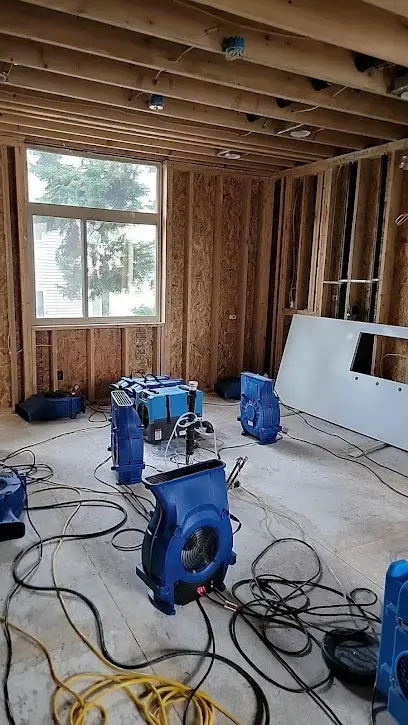
First steps for structural drying and dehumidification in Auburn
- 1
Stop the water
The source must be fixed before drying can work.
- 2
Leave equipment running
Turning off air movers or dehumidifiers resets progress.
- 3
Keep doors closed
A closed drying area lets dehumidifiers work efficiently.
- 4
Let readings decide
Equipment leaves when the meters say dry, not when it feels dry.
When you call, have this ready
- Which rooms and which level of the house are wet
- Whether the water is clean, gray or sewage
- When it started and whether the source is stopped
The standard behind structural drying and dehumidification in Auburn
Rapid local response
Auburn water damage restoration experts work around the clock, and the response team rolls with truck-mounted extraction, air movers and moisture meters already on board.
IICRC S500 drying standard
IICRC S500 is the industry drying standard. The drying team runs structural drying, not just surface drying, and the equipment stays until the readings say dry.
Claim-ready documentation
A moisture map from the first walkthrough, daily psychrometric logs and timestamped photos taken before any demolition: the file an adjuster works from.
Green River valley water experts
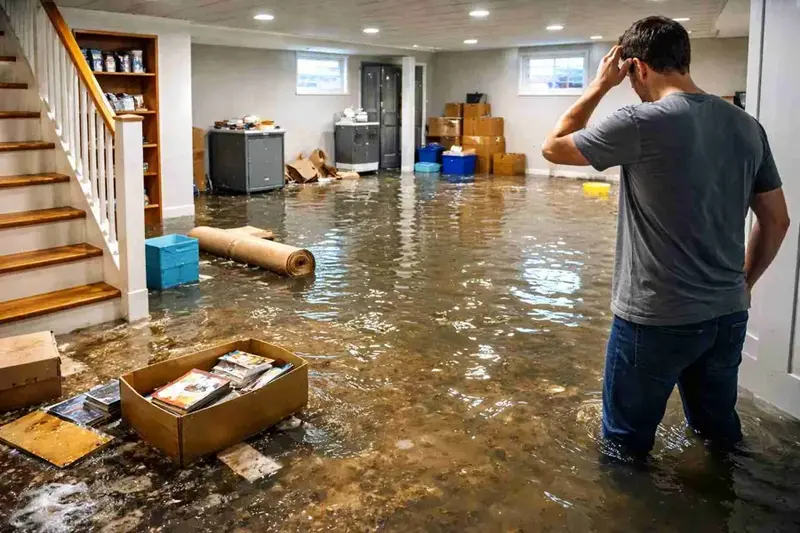
Crawl spaces on the valley floor, daylight basements on West Hill and Lea Hill, and long wet-season rains: the Auburn restoration crew knows where water settles in a Puget Sound house.
What does structural drying and dehumidification cost in Auburn, WA?
In Auburn, WA, structural drying typically runs $1,000 to $6,500 or more on its own. The drivers are the class of the loss, the square footage, the number of air movers and dehumidifiers needed and how many days it takes to reach the drying goal.
Class 1 or 2, one area
- Three to six air movers
- One LGR dehumidifier
- Three to four days of logs
Class 3, several rooms
- Walls, ceilings and insulation
- Multiple dehumidifiers
- Cavity drying
Class 4, dense materials
- Hardwood, plaster or slab
- Desiccant or mat drying
- Extended monitoring
These are typical ranges, not a quote. For a closer planning number try the water damage cost calculator.
How structural drying and dehumidification moves from call to dry
Walkthrough and moisture map
The tech who does the walkthrough finds the source and maps every wet wall, floor and cavity before any equipment goes down.
Extraction
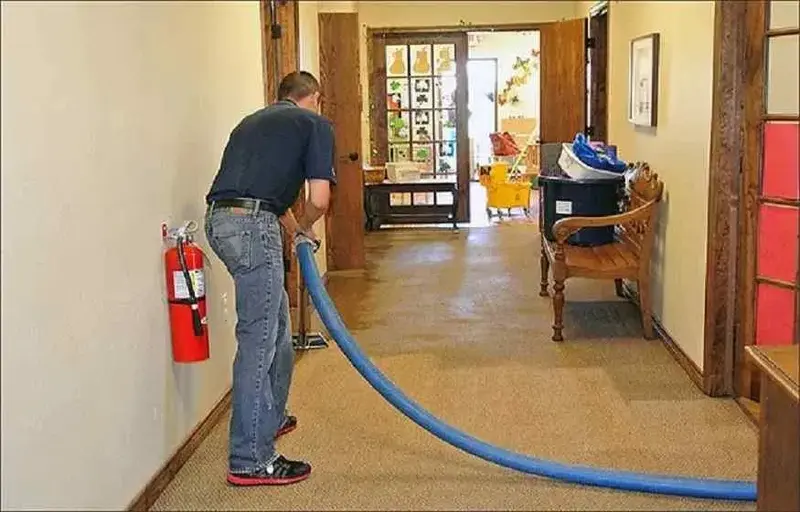
The extraction crew pulls standing water so it leaves the building instead of moving to the next room.
Drying setup
Air movers go in at the evaporation load of each room, with dehumidifiers pulling that moisture back out of the air.
Daily readings
The drying team logs temperature, humidity and material readings daily and moves equipment to where the water still is.
Dry verification
Equipment comes out when wet materials read within 2 to 4 points of a dry reference, and the logs go into the claim file.
Drying a building is a controlled process, not a matter of opening windows. Auburn's wet season makes that especially true: from October to March the outdoor air is cool and damp, so fresh air does little to pull moisture out of a wet house. Structural drying works by moving air across wet surfaces to lift moisture, then pulling that moisture out of the air with dehumidifiers so it cannot settle back into the building.
What IICRC S500 means in practice
IICRC S500 is the industry drying standard. It asks for moisture mapping before the equipment goes down, drying sized to the class of the loss, and daily monitoring until the goal is met.
- Class 1: a small area with low-porosity materials.
- Class 2: a whole room, carpet and walls wet up to about two feet.
- Class 3: water from above, walls, ceilings and insulation saturated.
- Class 4: dense materials like hardwood, plaster and concrete that hold water deeply.
The equipment
- Air movers placed along walls at the evaporation load of each room.
- LGR (low grain refrigerant) dehumidifiers that keep working in cool, damp air.
- Desiccant dehumidifiers for Class 4 materials and cold spaces.
- Thermal imaging and pinless meters to find water behind finished surfaces, plus pin meters for wood.
The drying goal. Equipment comes out when the wet material reads within 2 to 4 points of a dry reference material in an unaffected part of the same house. The date on the calendar does not decide it; the readings do.
Daily readings and the claim file
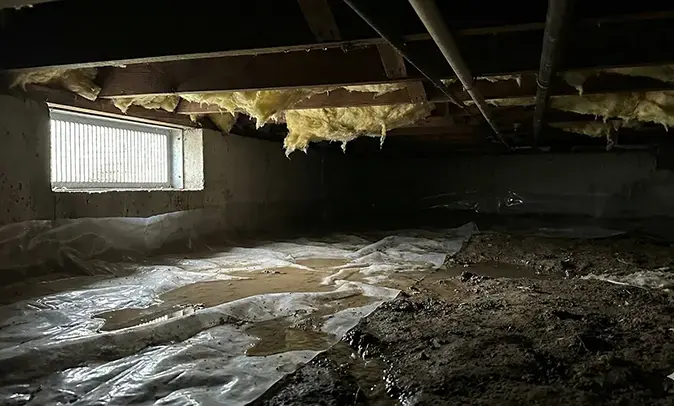
Every visit, the drying team records temperature, relative humidity and grains per pound inside and outside the drying area, plus material readings at marked points. Those psychrometric logs show the adjuster the job was dried to standard. Where water came from outside or sewage, see flood and storm water cleanup; for water under the house see crawl space water damage.
Why it matters for mold
The EPA advises drying wet materials within 24 to 48 hours to limit mold growth, and Washington State University Extension publishes guidance on moisture in Northwest homes.
Structural Drying and Dehumidification across Auburn and nearby cities
The Auburn restoration crew works every part of the city across ZIPs 98001, 98002, 98071, 98092, from Downtown Auburn, Terminal Park, Lea Hill, West Hill, North Auburn, South Auburn out to Pacific, Algona, Kent, Federal Way, Covington and Sumner.
See every area and ZIP coveredRelated water damage services in Auburn
Structural Drying and Dehumidification questions in Auburn
Why can't I just open the windows?
In Auburn's wet season the outdoor air is often as damp as the air inside. Dehumidifiers remove moisture from the air in a closed space, which drives drying far faster.
Why is the equipment so loud and running all day?
Air movers and dehumidifiers run around the clock because drying is continuous. Turning them off lets moisture settle back into the materials.
How do they know when it is dry?
The drying team compares daily readings on the wet materials against a dry reference material in the same house. The goal is within 2 to 4 points.
What is an LGR dehumidifier?
A low grain refrigerant dehumidifier removes more water from cool, damp air than a household unit, which matters in a Northwest winter.
How long does structural drying take?
A contained Class 1 or 2 loss usually dries in three to five days. Hardwood, plaster and concrete take longer.
Is drying covered by insurance?
When the underlying loss is covered, drying is usually part of the mitigation. Coverage depends on your policy, so it is worth checking with your own insurer; the daily logs support the claim.
Structural Drying and Dehumidification in Auburn? Start the dry-out now.
Shut off the water if you can, keep clear of wet outlets, and call. The drying team maps the moisture and gets extraction started.